01 / Sector
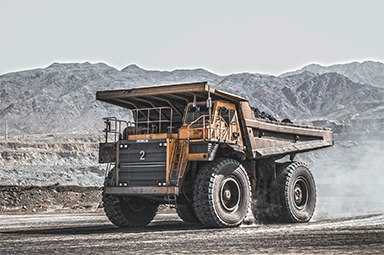
Mining & Minerals
Gold, platinum, coal, and diamonds – silica exposure, TB comorbidity, and surveillance systems.
View workProtecting workers. Protecting environment. Evidence-led solutions. Preventing disease. Safety. Worldwide.
Exposure assessment, surveillance design and prevention frameworks for mining, construction, manufacturing, and engineered-stone fabrication.
Open practicePolicy architecture, regulatory framework development, and tripartite consultation for governments building national occupational health systems.
Open practiceOperational OSH management systems for mining, oil & gas, construction, and tunnelling. Embedded advisory, not external audit.
Open practiceApplied field epidemiology, surveillance design, and AI-enabled health screening – CIHR-funded silicosis & TB programme with UBC, UCT, SAMA.
Open practiceSilica exposure assessment, control review, surveillance design, and prevention planning for mining, construction, manufacturing, and engineered-stone operations.
Policy architecture, regulatory framework development, tripartite consultation, inspectorate capability, and national occupational health information systems.
Operational OSH management systems for mining, energy, construction, tunnelling, contractors, and complex industrial workforces.
Medical surveillance, exposure data, worker health monitoring, reporting pathways, and disease-prevention infrastructure that can be used in the field.
Workplace health research, evidence briefs, AI-enabled screening pathways, and implementation support for institutions, ministries, and workforce bodies.
Training and capability-building pathways through Global HSE Academy for teams, executives, regulators, and occupational health professionals.
Gold, platinum, coal, and diamonds – silica exposure, TB comorbidity, and surveillance systems.
View work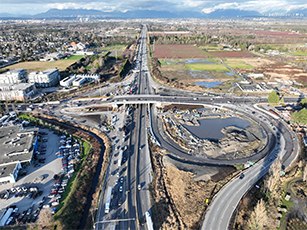
Tunnelling, road and rail, urban development – silica, vibration, structural risk.
View work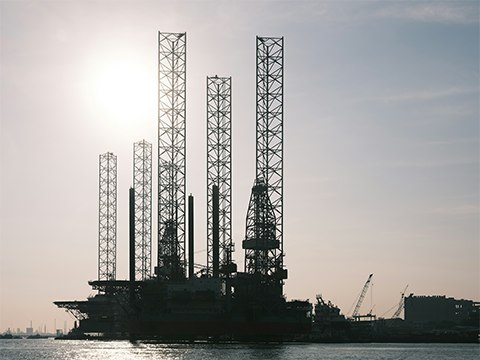
Upstream and downstream operations – hydrocarbon exposure, fatigue, contractor safety.
View work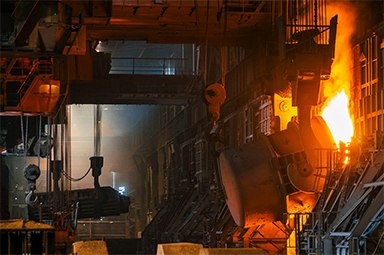
Foundries, fabrication, engineered stone – particulate, heat, chemical, ergonomic risk.
View work
National OSH systems, labour ministries, regulatory framework design and capacity-building.
View work
ILO, UNDP, UN Secretariat, Commonwealth, and CARICOM – expert advisory and roster work.
View workSilicosis was described by Pliny the Elder in 50 AD, then by Agricola, Ramazzini, and every major occupational health authority of the twentieth century. It remains uneliminated in 2026.
Pliny the Elder describes lung disease in stonemasons. Naturalis Historia.
De Re Metallica documents miners' lung disease and shortened life-spans.
Founds occupational medicine – De Morbis Artificum Diatriba.
First modern regulatory framing of industrial disease.
First ILO international conference on silicosis. The scale is recognised.
Occupational Safety and Health Convention adopted.
Dr. Sultan's first occupational health engagement. Vancouver, Canada.
ILO / WHO Joint Programme for elimination of silicosis by 2030.
First international OSH management system standard.
Sultan appointed Co-Convenor of Developing Countries Coordination Group · ISO/TC 283.
Australia bans engineered stone after a new silicosis epidemic in young workers.
Society of Occupational Medicine – Outstanding Contribution to Global OH.
230 million workers are exposed to silica dust worldwide. The systems to prevent disease remain unbuilt in many jurisdictions.
Auto-scrolling · Hover to pause
Discuss an occupational health challenge, programme or advisory requirement with Global HSE.